

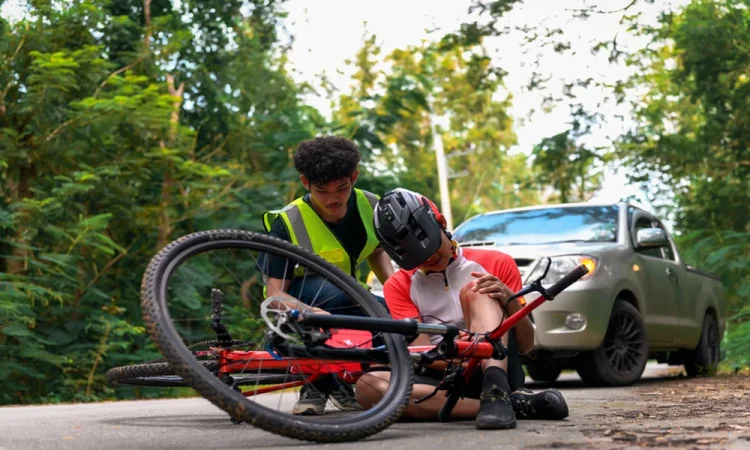
A rider gets hit by a car with a glowing app sticker in the windshield, and the case stops looking like an ordinary crash. Extra companies, extra policies, and extra finger-pointing come along for the ride. Knowing how those pieces fit together helps an injured cyclist see where the money may come from.
Why Rideshare Crashes Work Differently
Rideshare drivers are usually classified as independent contractors, not employees, and that label shapes who can be held responsible. A company can argue the driver acted alone, while the driver’s lawyer may point back at the company. Each side wants the other to carry the weight of a bicycle injury.
Drivers also tend to be distracted by the very tools they rely on. Glancing at a map, accepting a ride request, or hunting for a pickup spot pulls attention off the road, and cyclists often pay for it. Sudden stops and quick turns near curbs are common, which puts riders in the danger zone.
Which Insurance Policy Applies Depends on the App Status
Coverage changes with what the driver was doing at the moment of impact. With the app off, the driver’s personal auto policy generally applies, and coverage limits may be relatively low. With the app on and no ride accepted, the company usually provides more limited liability coverage. Once a driver accepts a trip or has a passenger aboard, the higher coverage limits generally apply, often reaching seven figures.
Proving that status takes work. Trip logs, app data, and phone records may help establish when a ride was accepted, but the company controls much of that information. A bicycle accident lawyer in Huntsville AL can help obtain relevant records, verify the driver’s activity, and identify which insurance coverage applies to the collision.
Can the Rideshare Company Be Held Responsible?
Sometimes, though it rarely happens by default. Companies lean on the contractor label to dodge blame, so a bicycle accident claim may need to show the driver was working a trip or that the company was careless in screening or supervising drivers. Passengers can matter too. A rider hit by a door thrown open at a drop-off point may have claims against the passenger and, in some cases, the driver who stopped in an unsafe spot.
How Contributory Negligence Shapes the Fight
Alabama follows contributory negligence, so a cyclist found even slightly at fault can lose the right to collect anything. Rideshare insurers know this and may investigate whether the rider followed traffic rules and took reasonable steps to prevent bicycle injuries. They may look for a missing light, a rider traveling on the wrong side of the road, or a lane change without a signal.
Evidence can help address those claims. Dashcam footage from the car, nearby business cameras, witness statements, and bicycle damage patterns may show where the rider was and how the collision occurred. Many cameras overwrite footage within days, so acting quickly matters. Early photos of the scene, the vehicle, and any rideshare stickers or app screens can also help establish the driver’s connection to the company.
When a Lawyer Makes the Difference
Rideshare cases involve large corporate legal teams, layered policies, and data that only the company holds. A bicycle accident attorney can send preservation letters demanding trip records, identify every policy that may apply, and push back on blame shifting. A bicycle accident lawyer in Huntsville AL also understands how local courts and insurers handle claims against out-of-state companies and their contract drivers. Injured cyclists dealing with a crash can turn to The Lackey Law Firm. Their team reviews how the collision happened, requests trip logs and app records that show the driver’s status at impact, and identifies which policy applies. They also handle the demands and negotiations so the rider can put energy into healing while the claim moves forward.


