
How to Make Virgin Hair Extensions Look Natural Without Daily Heat Styling

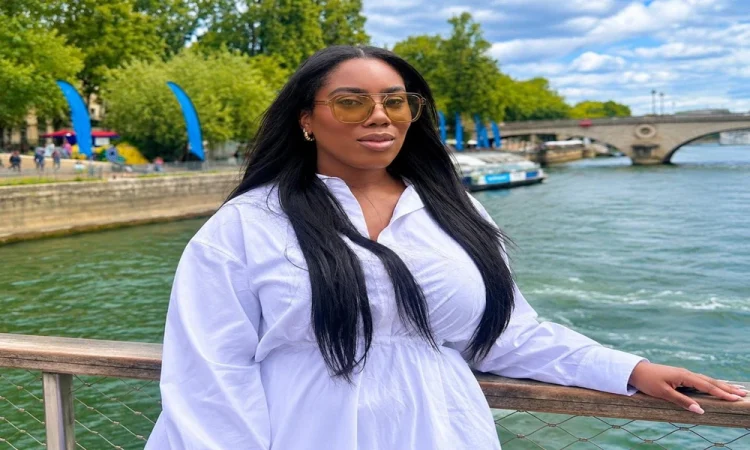
Beautiful, natural-looking hair extensions should make your styling routine easier, not leave you reaching for a flat iron or curling wand every morning. Whether you love soft curls, voluminous blowouts, or sleek protective styles, the secret to a realistic finish is learning how to work with your hair’s natural texture instead of constantly changing it with heat. For Black women who wear their hair natural, relaxed, or transitioning, achieving a seamless blend can feel challenging, especially when dealing with humidity, shrinkage, or different curl patterns. Fortunately, high-quality virgin human hair offers plenty of styling flexibility without requiring daily heat. From choosing the right texture and preparing your leave-out to using simple overnight styling techniques, a few thoughtful adjustments can completely transform your look. This guide explores practical, hair-friendly ways to keep your extensions soft, believable, and beautifully blended while reducing unnecessary heat exposure.
1. Choose Hair Extensions That Naturally Match Your Texture
Natural hair comes in an incredible variety of textures, from loose waves and defined curls to fluffy coils and tightly textured strands. Choosing Virgin Hair Extensions for Black Women that complement your natural pattern is one of the simplest ways to create a believable hairstyle without relying on hot tools. When the texture already resembles your own hair, you spend less time manipulating your leave-out and more time enjoying your style.
For example, kinky straight extensions can beautifully complement stretched Type 4 hair, creating the appearance of a natural blowout. Kinky curly textures often work well with naturally curly or coily hair, while loose waves may suit softer curl patterns. The goal isn’t necessarily to find an identical curl, but to choose something close enough in pattern, density, and overall appearance that both textures can blend naturally.
Pay attention to how the extensions look after washing, too. Some textures appear smooth in product photos but develop more volume, waves, or frizz after their first cleanse. Quality virgin hair should maintain a consistent, recognizable texture through proper washing and conditioning, although its appearance may change depending on how it is processed or styled.
Hair density matters just as much as curl pattern. If your natural hair is fine, extremely thick extensions can create an obvious contrast near your roots. Likewise, lightweight bundles may look disconnected from naturally dense hair. Choosing a balanced volume helps create a flattering silhouette that looks realistic from every angle.
2. Blend Your Natural Hair Without Reaching for a Flat Iron
A seamless blend usually begins with how you prepare your own hair. Rather than straightening your leave-out every morning, try styling techniques that encourage your natural strands to resemble the extensions. This approach helps preserve moisture, reduces repeated heat exposure, and makes everyday maintenance more manageable.
Textured and natural hair responds especially well to moisture-based styling methods. When shopping for the Best Natural Hair Extensions, consider how easily your chosen texture can blend with braid-outs, twist-outs, or other heat-free styles. A good match allows your natural hair and extensions to move together without requiring both to be perfectly identical.
For curly extensions, lightly dampen your leave-out and apply a small amount of curl cream or lightweight mousse. Create a few twists or braids that resemble the extension’s curl size, then allow them to dry completely before unraveling. Separate the sections gently with your fingers to create softness and volume. You can also use flexi rods or perm rods to achieve more defined curls without direct heat.
If you’re wearing kinky straight extensions, try banding your natural hair or creating large, loose braids overnight. These methods can gradually stretch the strands and produce a fuller, elongated appearance. The finished result may not be as sleek as a salon blowout, but that slight texture often makes the hairstyle look more authentic.
Remember that blending doesn’t mean forcing every strand into perfect uniformity. Natural hair has movement, texture variations, and occasional flyaways. Embracing those characteristics can make your extensions look more believable than an overly polished finish.
3. Use Heat-Free Styling Techniques to Maintain a Natural Finish
Once your extensions are installed, the next step is maintaining their shape without excessive styling. One advantage of genuine human hair is that it can respond well to traditional setting techniques, giving you several ways to refresh your hairstyle between washes.
For soft, flowing waves, divide slightly damp extensions into two or four loose braids before bedtime. Apply a small amount of leave-in conditioner if needed, then allow the hair to dry thoroughly. In the morning, unravel the braids and separate the waves with your fingers. This technique creates gentle movement without the sharply defined finish sometimes associated with curling irons.
For a more voluminous curly look, try medium-sized twists, bantu knots, or flexi rods. The right method depends on the original texture of your extensions. Tighter curl patterns generally need less manipulation, while naturally straight or wavy hair may require more setting time to maintain a temporary curl.
Another simple technique is finger coiling. If individual curls lose definition, lightly mist the affected sections with water, apply a small amount of curl-friendly styling product, and wrap them around your finger. Allow the curls to dry before separating. This targeted approach helps refresh specific areas without restyling your entire head.
Be mindful of product buildup. Heavy oils, thick creams, and excessive gels can make extensions appear greasy, stiff, or unnaturally separated. Start with small quantities and add more only when necessary. The objective is touchable movement rather than a heavily coated finish.
For the best results, always allow damp hair to dry fully before unraveling, covering, or securing it tightly. Consistently sleeping with wet extensions can encourage tangling and make the installation harder to maintain.
4. Make Your Parting, Hairline, and Overall Volume Look Realistic
Even beautifully textured extensions can look unnatural when the installation is too bulky or the hairline appears overly structured. Small adjustments around the roots, parting, and face can make a noticeable difference in how realistic your finished hairstyle appears.
For sew-ins with leave-out, ensure the wefts lie flat and the installation doesn’t create unnecessary volume near the crown. A comfortable, properly constructed braid foundation helps the extensions fall naturally. If you’re using a closure or frontal, choose an appropriate lace shade and avoid placing the hairline too far forward.
A natural-looking part doesn’t always have to be perfectly straight or extremely wide. Slightly adjusting the direction of your part can help the style complement your face shape and disguise transitions between your natural hair and the extensions.
Pay attention to the amount of hair surrounding your face. Extensions that are equally thick from roots to ends can sometimes create an overly uniform appearance, especially when the style is very long. Gentle face-framing layers, when appropriate, can soften the shape and encourage more natural movement.
You can also use your fingers or a wide-tooth comb to distribute volume. For curly textures, gently separate the curls near the roots to create fullness while preserving definition through the lengths. For kinky straight styles, a light fluffing technique can help recreate the airy appearance of naturally stretched hair.
Finally, avoid excessive edge styling. Although neatly laid edges can complement certain looks, a softer hairline with naturally arranged strands is often equally beautiful. Choose a finish that suits your natural growth pattern and personal style rather than feeling pressured to create identical edges every day.
5. Build a Simple Care Routine That Keeps Extensions Looking Natural
Maintaining realistic-looking extensions isn’t only about the initial installation. Consistent care helps preserve softness, minimize tangling, and prevent the dry or overly shiny appearance that can make added hair stand out.
Start with gentle cleansing. Wash your extensions as needed using a suitable shampoo, focusing on removing product buildup without aggressively rubbing the strands together. Follow with conditioner, concentrating on the mid-lengths and ends. For curly textures, detangle carefully in sections while the hair is damp and conditioned, using your fingers or a wide-tooth comb.
After washing, allow the extensions to air-dry whenever practical. Curly hair often benefits from gentle scrunching, while wavy textures can be arranged into loose sections to encourage an even pattern. Straight extensions may need careful detangling and smoothing during drying to minimize unnecessary friction.
Your nighttime routine is equally important. Sleeping on a satin or silk pillowcase can reduce friction, while a satin bonnet or scarf helps protect the style. For longer extensions, loosely braid or twist the hair before bed to minimize tangling. Curly styles can be gathered gently into a high, loose pineapple when the installation allows.
In the morning, avoid immediately reaching for styling tools. Instead, release your nighttime style, gently shake out the hair, and refresh only the areas that need attention. A light mist of water may be enough for some curly textures, while other styles may need a small amount of leave-in conditioner or mousse.
Also remember that your own hair needs attention beneath the installation. Keep your scalp clean, avoid excessive tension, and ensure your natural strands receive appropriate moisture and care. If your extensions pull at your roots or cause discomfort, have the installation adjusted rather than trying to conceal the problem with styling.
Ultimately, natural-looking virgin hair extensions come down to choosing compatible textures, maintaining balanced volume, and developing a routine that supports your hair rather than constantly transforming it. With thoughtful installation, gentle maintenance, and a few reliable heat-free techniques, you can enjoy beautiful, versatile hairstyles while giving your natural strands a welcome break from frequent hot-tool styling.


