Most people book a facial the way they book a haircut: they pick the salon with the nicest photos, hope for the best, and pay $200 to find out.
Skin doesn’t work that way. Your barrier, your oil production, and how your face reacts to active ingredients are all personal, and a generic “deep cleansing facial” sold to everyone at the same price is a coin flip. If you’re in Houston and you’ve ever walked out of a treatment room wondering whether anything actually happened, you already know this feeling.
The fix isn’t finding a cheaper facial. It’s learning how to read a studio before you book. Which is why services like Bella Rinova Houston facial and skincare treatments are worth studying as an example: they start with an assessment, then build the plan around what your skin actually needs instead of a fixed menu item. That order matters, and it’s the difference between a treatment that works and an expensive nap.
What a facial actually does (and what it can’t)
Here’s where most marketing gets slippery. A facial can’t permanently change your pore size or erase a deep line. What it can do is real and measurable over time: clear congested pores, calm inflammation, boost hydration in the upper layers, and give a trained eye a look at what’s happening on your skin before it becomes a bigger problem.
Think of it as maintenance, not repair. You don’t get a facial once and glow forever. You get one every four to six weeks, and the cumulative effect is what people notice.
The other thing a good facial does is diagnostic. A skilled esthetician will spot the difference between dehydration and dryness, which look identical in the mirror and need opposite products. That distinction alone saves you from months of buying the wrong serum.
Reading a service menu without getting upsold
Every studio lists treatments with names that sound interchangeable. They aren’t. Here’s a rough translation of what you’re usually looking at.
- Customizable anti-aging facials. Barrier repair, hydration, texture refinement. The workhorse treatment, and the right starting point for most people.
- Microcurrent or bio-electrotherapy lifting. Low-level electrical current to stimulate facial muscle tone and contour. Results are visible immediately and fade within days, which makes it a popular pick before a wedding or a big event.
- Chemical exfoliation and peels. Targeted resurfacing for discoloration and dullness. Great results, real downtime, and not something you stack on top of retinol at home.
- Add-ons. Lash tint, brow shaping, LED, extractions. Fine on their own. Just know they’re the reason a $150 facial becomes a $300 one at checkout.
My rule: if a studio can’t explain in one sentence why a treatment costs more than the one above it, that gap is marketing, not technique. Ask what’s different about the method, the products, and the time spent. You’ll get a real answer or you’ll get a sales pitch. Either way, you learned something useful before you paid.
Questions to ask before you book
This is the part most people skip, and it’s the cheapest insurance you’ll ever buy against a wasted appointment.
- Who’s actually doing the treatment? Not the studio, the person. Ask for the esthetician’s name and how long they’ve been practicing.
- What happens at the consultation? A real one takes ten to fifteen minutes and includes questions about your home routine, medications, and how your skin behaves across a normal week.
- What products are used, and can I see the ingredient list? Any studio confident in its supply chain will show you.
- What should I skip at home before and after? If nobody mentions your retinol, say the word yourself. It’s the most common cause of a bad reaction.
- What’s the realistic timeline? One session or a series of four. Get the number up front.
Write these down before you call. It changes the tone of the conversation immediately, and any esthetician worth your money will be glad you asked.
The treatment room matters more than you’d think
I used to roll my eyes at studios that made a big deal about their equipment. Then I spent an hour on a table that was slightly too hard to fully relax on, and the treatment was mediocre. Not because the technique was bad, but because I never actually unclenched.
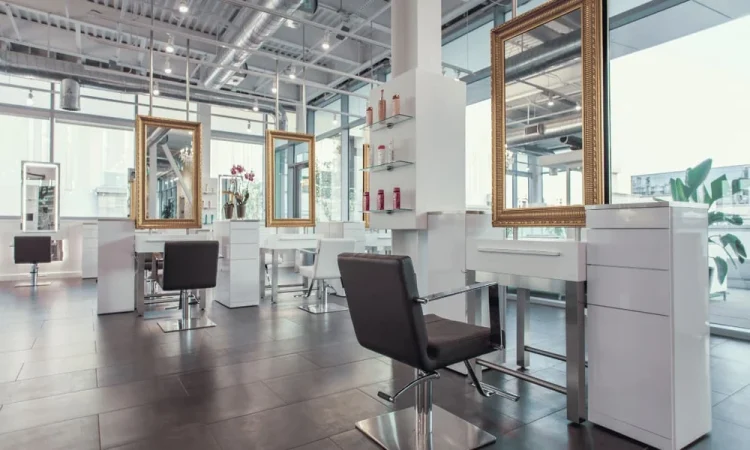
Comfort isn’t a luxury detail. When your jaw and shoulders stay tight for 60 minutes, so does your face, and that works against everything the esthetician is trying to do. Some Houston studios have leaned into this with high-end adjustable beds for facial work, which sounds excessive until you’ve tried one and realized you were tense for years without knowing it. Pay attention to the room: temperature, sound, whether the lighting actually lets them see your skin. Small things, real difference.
The part nobody tells you about results
Here’s the honest version. Most of what shows up on your face in a month happens at home, in the ten minutes before bed. Your professional treatment is the reset button. Your routine is what holds the result.
So keep it boring. A gentle cleanser, one active ingredient, moisturizer, sunscreen. That’s it. Adding five products because a facial left you motivated is the fastest way to undo the progress in two weeks.
Skincare advice online: use it carefully
The internet is packed with confident opinions about acids, vitamin C concentrations, and why your moisturizer is wrong. Some of it is solid. A lot of it is one person’s experience applied to a face that has nothing in common with yours.
Where it gets genuinely risky is when people layer strong actives they found in a video without understanding how they interact. The U.S. Food and Drug Administration keeps consumer guidance on cosmetic ingredients and labeling precisely because the line between a helpful product and an irritating one is often concentration and combination, not the ingredient itself. Read the label. Introduce one new thing at a time. Give it four weeks before you judge it.
Why Houston skin has its own rules
Humidity is the local variable people underestimate. Houston’s climate sits in a range that keeps skin producing oil and sweat year-round, and that combination clogs pores fast. Fans, air conditioning, and long commutes add their own stress. Even the city’s growth plays a role in what’s available, since a metro area adding residents at the pace the U.S. Census Bureau reports keeps drawing new skincare studios and new price tiers into the market.
What that means for you: treatments built for dry climates can leave Houston skin congested. Ask any esthetician you’re considering how they adjust for local humidity and heat. The answer tells you whether they’ve actually worked with Houston clients or just relocated a formula from somewhere else.
Your first appointment: a simple plan
Book the consultation, not the package. Go in with a bare face if you can, bring a photo of your current products, and be upfront about your budget. A good esthetician would rather sell you one treatment you’ll repeat than three you’ll regret. Leave with three written priorities at most: what to stop using, what to start, and when to come back.
And treat the first session as a test. Not of the products, of the person.
One more thing worth knowing: professional treatments and hygiene standards exist for a reason. The Centers for Disease Control and Prevention publishes general guidance on safe practices in personal care settings, and it’s a fair reference point if you ever want to know what a clean, well-run treatment room should look like. You shouldn’t have to inspect it, but knowing the baseline makes you a harder person to cut corners with.
Where to start
The right facial isn’t the most expensive one on the menu or the one with the longest list of add-ons. It’s the one matched to your skin by someone who asked before they acted, and it’s the one you can afford to repeat every month.
Pick one studio. Ask the five questions. Book a single treatment rather than a package, and judge it on how your skin looks ten days later.
So which of those five questions would you struggle to answer right now about the last facial you had?