

If you have been told you may need oral surgery or a dental implant, your mind can go to the worst place fast. You picture pain, a long recovery, a huge bill, and something that might fail anyway. A lot of people sit with a damaged tooth or missing tooth longer than they should because the fear feels easier than the unknown, especially when considering implant surgery in Fresno.
That fear usually grows around bad information. Stories from years ago, advice from friends, and dramatic videos online can make oral surgery and dental implants myths sound like facts. The truth is much less alarming. Modern treatment is planned carefully, pain is managed well, and many people return to normal routines sooner than they expected.
Myth 1: Oral Surgery Is Always Extremely Painful
This is the myth that keeps people up at night. You may be imagining a procedure where you feel everything and spend days miserable afterward. That image is outdated.
During treatment, the goal is numbness and comfort. Local anesthesia, sedation options, and clear aftercare instructions have changed the experience for most patients. According to MedlinePlus information on dental implant surgery, implant placement is a common procedure and discomfort after surgery is usually manageable with routine care and medication.
What tends to cause more pain is waiting. An infected tooth, advanced gum disease, or bone loss can turn a smaller problem into a bigger one. If you delay because you expect severe pain, you may end up needing more treatment than you would have earlier.
Myth 2: Dental Implants Are Just Cosmetic
A missing tooth changes more than your smile. Chewing becomes uneven, nearby teeth can shift, and the bone in that area can shrink over time. That affects bite, speech, and long term oral health.
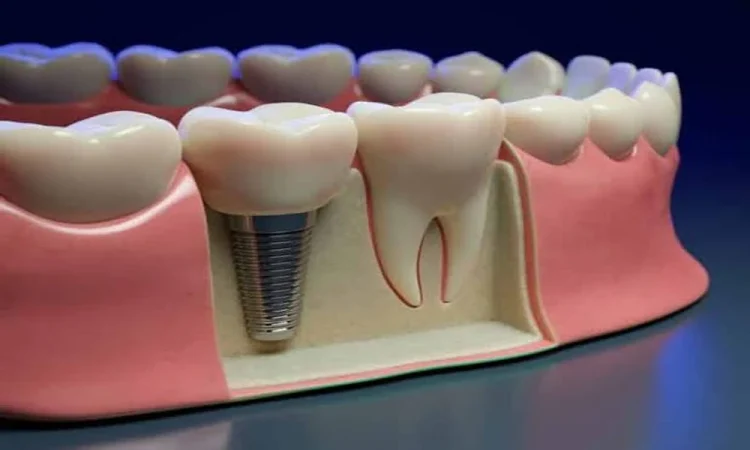
Implants replace the root as well as the visible tooth. That matters because the jawbone needs stimulation to stay strong. A bridge or denture may restore appearance, but an implant also helps support the bone beneath it.
This is why many people who need an implant dentist are not chasing perfection. They are trying to eat comfortably, protect the rest of their teeth, and stop a small gap from becoming a bigger problem.
Myth 3: You Are Too Old for Dental Implants
Age by itself is not the deal breaker. Health matters more. Plenty of older adults are strong candidates for implants because their gums, bone, and medical conditions are stable enough for healing.
What does affect candidacy is untreated gum disease, smoking, uncontrolled diabetes, or severe bone loss. Gum health is a big one. Both MedlinePlus on gum disease and the National Institute of Dental and Craniofacial Research explain that gum disease can damage the tissues and bone that support teeth. The same issue can also affect implant success if it is ignored.
If you have been told you are not an ideal candidate right now, that does not always mean never. Sometimes it means you need treatment first, then implants later.
Myth 4: Recovery Takes Months of Being Out of Commission
This misunderstanding mixes up healing time with downtime. Full healing of the bone does take time, but that is not the same as being stuck at home for months.
Many patients return to work in a day or two, depending on the procedure and the physical demands of their job. You may need soft foods, rest, and some swelling management at first, but most recoveries are far more practical than people expect. A single implant placement is very different from a major reconstructive procedure, and your plan should reflect that difference.
When people hear “months,” they often imagine months of pain. In reality, much of that timeline is quiet healing happening in the background.
Myth 5: Dental Implants Usually Fail
Implants have a strong long term track record when they are placed in the right patient and cared for well. Failure can happen, but “usually fail” is simply false.
The bigger concern is not the implant itself. It is the condition around it. Poor oral hygiene, untreated gum problems, heavy smoking, and skipping follow up visits can raise the risk of complications. That is why a thorough exam matters so much before any oral surgeon and implant dentist treatment begins.
If someone you know had a bad experience, there is almost always more to the story than “implants do not work.” Health history, bone support, aftercare, and bite forces all play a part.
Practical Differences Between Myths and Reality
| Common Belief | What Often Happens in Real Life | Why It Matters |
|---|---|---|
| Oral surgery means severe pain | Most patients feel pressure during treatment and manageable soreness after | Fear should not keep you from fixing a worsening problem |
| Implants are only for looks | They can restore chewing, support bone, and help keep teeth from shifting | Function and health are part of the decision |
| Older adults cannot get implants | Overall health and gum condition matter more than age alone | You may still be a candidate even later in life |
| Recovery means weeks away from normal life | Many people resume light routines quickly | Planning gets easier when expectations are realistic |
| Implants usually fail | They are often successful with proper planning and care | Good habits and follow up make a real difference |
What You Can Do Next
Get a full evaluation. Do not rely on guesswork, old stories, or what happened to someone else. A proper exam with imaging can show bone levels, gum health, and whether you need treatment before an implant.
Ask about the full timeline. You need to know the difference between the procedure day, the recovery period, and the healing phase. That clears up a lot of fear and helps you plan work, meals, and support at home.
Address gum disease first. If your gums bleed, feel tender, or have started pulling away from your teeth, deal with that now. Healthy gums and bone are the foundation for any lasting result, whether you need surgery, implants, or another tooth replacement option.
Clear Information Makes Better Decisions
The worst part is often the buildup before treatment, when you are stuck between fear and uncertainty. Most of the time, the facts are calmer than the myths. Common myths about oral surgery make people wait, and waiting can cost comfort, bone, and treatment options.
If you are weighing oral surgery, implant treatment, or both, the next right step is a real conversation with a qualified provider who can evaluate your specific needs and explain your options in plain language.


