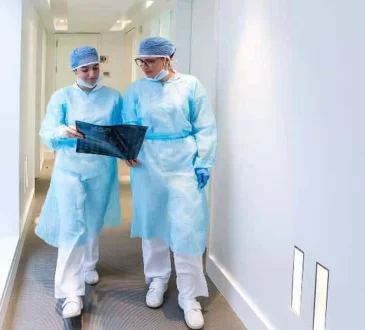
Behind-The-Scenes Collaboration: How ENT, Imaging, Oncology, And Dental Care Specialists Work Together For Your Health
When you visit a specialist for a specific concern—whether it’s a persistent sore throat, a suspicious lump, or ongoing jaw pain—you’re likely focused on that one issue. What most patients don’t see is the essential behind-the-scenes collaboration that happens between healthcare providers. From ENT (Ear, Nose & Throat) to imaging, oncology, and oral health specialists, internal referrals play a critical role in diagnosing, treating, and managing complex health concerns.
Rather than working in silos, specialists often coordinate with one another—sharing insights, reviewing results, and recommending next steps. This internal teamwork, sometimes involving rotating referrals, is designed to give you faster answers, more accurate diagnoses, and a seamless treatment experience.
Why Internal Referrals Matter
Internal referrals—when one provider within a medical network refers you to another—are not just about convenience. They ensure you receive coordinated care from a multidisciplinary team that:
- Share access to your medical records
- Communicates directly and quickly
- Reduces the risk of miscommunication or oversight
- Speeds up testing and treatment timelines
- Saves you time and unnecessary appointments
For example, if your ENT specialist notices swelling in your neck or persistent hoarseness, they may recommend an MRI scan to better evaluate the tissues. Rather than sending you to a separate imaging center, many clinics offer in-house imaging services or tightly integrated networks, enabling same-day or next-day diagnostics.
Imaging And Oncology: A Critical Connection
If imaging reveals something concerning, like a mass or abnormal lymph node, the next internal referral is often to oncology. Having an in-network oncologist helps expedite the diagnosis and treatment planning process, which is especially crucial for time-sensitive conditions like cancer.
The collaboration between radiologists and oncologists includes:
- Interpreting scan results in context with patient history
- Recommending biopsies or additional tests
- Developing personalized treatment strategies based on staging and location
- Monitoring progress with follow-up imaging
Early detection through shared imaging and oncological consultation can make all the difference. And when oral or jaw-related abnormalities are involved.
ENT And Imaging: From Symptoms To Clarity
ENT specialists are often the first to identify abnormal growths, swelling, or structural issues in the head and neck region. However, many ENT conditions require internal imaging for confirmation. The MRI scan procedure—a non-invasive test that uses magnetic fields and radio waves to create detailed images—is a crucial diagnostic tool for ENT cases.
For instance:
- Chronic sinus issues may prompt sinus CT or MRI scans.
- Unexplained lumps in the neck may lead to soft tissue imaging to rule out malignancies.
- Persistent ear or jaw pain may require joint or nerve evaluations.
Once imaging is complete, results are shared with the ENT specialist and, if needed, an oncologist or surgeon for further evaluation. This seamless handoff is often only possible through strong behind-the-scenes communication among providers.
ENT And Dentistry: Overlapping Expertise
Sometimes, symptoms straddle both ENT and dental specialties. For example:
- A blocked sinus could be caused by a tooth abscess.
- Chronic mouth breathing due to nasal issues might lead to dental arch problems in children.
- TMJ dysfunction may involve both bite alignment (handled by a dental care provider) and jaw joint pathology (managed by an ENT or oral surgeon).
When ENT and dental providers work collaboratively, patients benefit from:
- Unified treatment plans
- Faster relief from overlapping symptoms
- Avoidance of duplicate tests
- Whole-body care that accounts for structure and function
The Benefits To You As A Patient
Behind every fast diagnosis, every smooth transition between specialists, is a well-functioning referral and communication system. For patients, this model results in:
- Comprehensive Care – Every aspect of your condition is reviewed by the right expert.
- Speed and Convenience – Appointments, imaging, and follow-ups are coordinated to reduce delays.
- Clear Communication – Specialists talk to one another directly, so you don’t have to act as the go-between.
- Improved Outcomes – Conditions are diagnosed earlier and treated more effectively through shared knowledge.
- Greater Support – You’re not navigating complex health decisions alone—a team is guiding the process.
The Dental Care Connection: More Than Just Teeth
Your mouth isn’t separate from the rest of your body—it’s a gateway to systemic health. Dental care providers, including general dentists and oral surgeons, often detect early signs of illness that may require ENT or oncology evaluation.
Examples include:
- Chronic ulcers or oral lesions that don’t heal
- Jaw swelling or pain that isn’t caused by dental decay
- Unusual gum changes or bleeding
- Difficulty swallowing or speaking
When a dentist suspects a deeper issue, they may refer patients to an ENT or order an imaging scan, such as a panoramic X-ray, or recommend an MRI scan procedure for deeper tissue analysis.
On the flip side, patients undergoing cancer treatments, particularly those involving the head, neck, or throat, often require the support of a dental care provider both before and during treatment. Chemotherapy and radiation can significantly affect oral health, causing:
- Dry mouth (xerostomia)
- Gum inflammation and infections
- Tooth decay
- Difficulty eating and speaking
This is where the role of an oral health specialist becomes vital. Their job isn’t just about dental cleanings—they help manage the oral side effects of medical treatments, protect jawbone integrity, and ensure patients can maintain nutrition and comfort throughout treatment.
What You Can Do
While much of this collaboration happens without your needing to ask, you can be an active participant in your care by:
- Ask your provider if they work within a coordinated team
- Requesting internal referrals when additional services are needed
- Inquiring about how imaging or dental specialists are integrated into your treatment plan
- Keeping a personal health journal to track symptoms across different specialties
Conclusion: Your Health, Their Teamwork
Most of what happens to protect and promote your health happens behind the scenes. From the ENT who notices something unusual, to the radiologist who interprets the scan, to the oncologist or oral health specialist who plans your next steps, it’s a highly coordinated dance of communication and care.
These internal, rotating referrals between ENT, imaging, oncology, and dental care professionals don’t just streamline your care—they save time, prevent complications, and ensure you receive whole-person care that looks at the big picture.
The next time you schedule an appointment for what seems like a minor concern, remember: there’s a team of specialists who may already be talking for your benefit.