How Block-Style Homes in Northglenn Create Perfect Rodent Entry Points

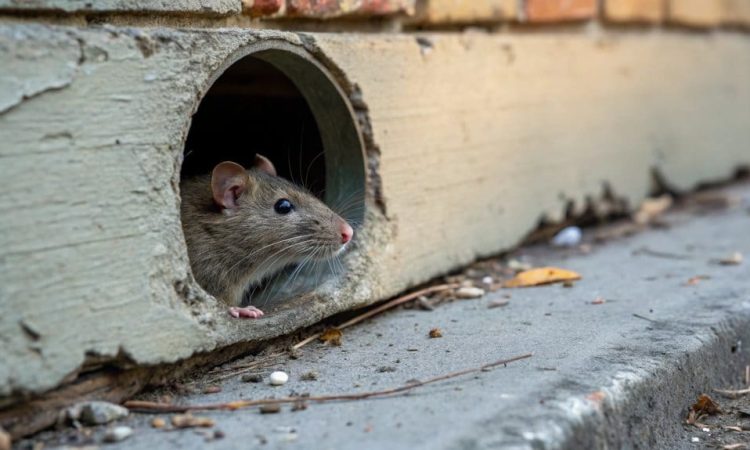
Homeowners living in block-style homes in Northglenn face a particular problem that so many of us are unaware of until it is too late: the very construction material of their home is nearly rolling out the red carpet for mice and rats. The concrete block walls that shape much of the housing stock in this northern Denver suburb, and many of the homes built during this city’s 1960s-70s boom, are hollow, with small openings that rodents love to enter.
Now that temperatures are dropping along the Front Range, these unwelcome guests are searching for a warm resting spot, and with block construction, they have many ways into your home and, eventually, into your living space. If you notice droppings in your garage or hear scratching in the walls, that is when you need to call professionals to get rid of pests in Northglenn.
Block-Style Homes in Northglenn – What Makes Them Unique?
Northglenn’s housing developed as a planned community in the 1960s, and many thousands of houses were built using concrete block (also known as cinder block or as CMU – concrete masonry unit). If you drive through neighborhoods around Malley Park or down parts of Washington Street, you can see them: houses on block foundations, block garages, even block-exterior houses with stucco.
Such construction was standard because it was inexpensive and could withstand Colorado weather. City records indicate that nearly 60% of the city’s housing stock dates to before 1980, making block construction prevalent in a community of about 38,000.
Why Are They Perfect Entry Points for Rodents?
- Hollow Core Channels Create Highway Systems
Inside each concrete block (there are two or three hollow chambers that run vertically through the unit). When stacked up, they form continuous vertical channels from the ground to the roofline, through which to shimmy. And mice can fit through a hole the size of a dime; rats only need a hole the size of a quarter. Within one block, they even have an entire army of secure pathways to roam around your house’s borders.
- Mortar Joints Deteriorate Over Time
In Northglenn, known for its freeze-thaw cycles, typical of much of Colorado’s Front Range, where a temperature of 40 degrees can change in a single day, mortar will crack and fall apart. According to a 2022 housing assessment, homes in Adams County (which includes Northglenn) that are around 40-50 years old exhibit significant mortar decay, creating gaps that rodents immediately exploit.
- Block Garages Offer Easy Access
Northglenn homes that have detached or attached block garages leave them open during the day. Rodents come and go in these areas, then enter wall cavities through gaps in door frames, electrical conduits, or wherever the garage connects to the main house.
How Can Homeowners Protect Their Homes From Rodents?
- Inspect mortar joints annually – walk around the exterior of your home and check for cracks or missing mortar, especially near ground level. Focus on spots such as behind bushes or under deck attachments that you may not check as closely.
- Seal utility penetrations – Inspect areas where block walls have pipes, cables, and wires entering. Fill the gaps around these with copper mesh (aluminum is not suitable for rodents), then fill with expanding foam or mortar.
- Install door sweeps and weather stripping – Openings beneath a door are like open invitations. All external doors, including garage doors, should have proper sealing that touches the threshold when closed.
- Keep vegetation trimmed back – Tree branches that touch your roofline and bushes against block walls provide rodents with cover and climbing access. Keep your clearance at least 12-18 inches.
Why Consulting a Professional Makes Sense
DIY efforts can make a difference, but exterminating rodents in homes that tend to be block-style requires experience in both house framing and pest behavior. Saela Pest Control is all over Northglenn and knows exactly where rodents are hiding out in all the older block homes. The traps they set are not random; they study your home to identify the various entry points, most of which the average homeowner is unaware of.